


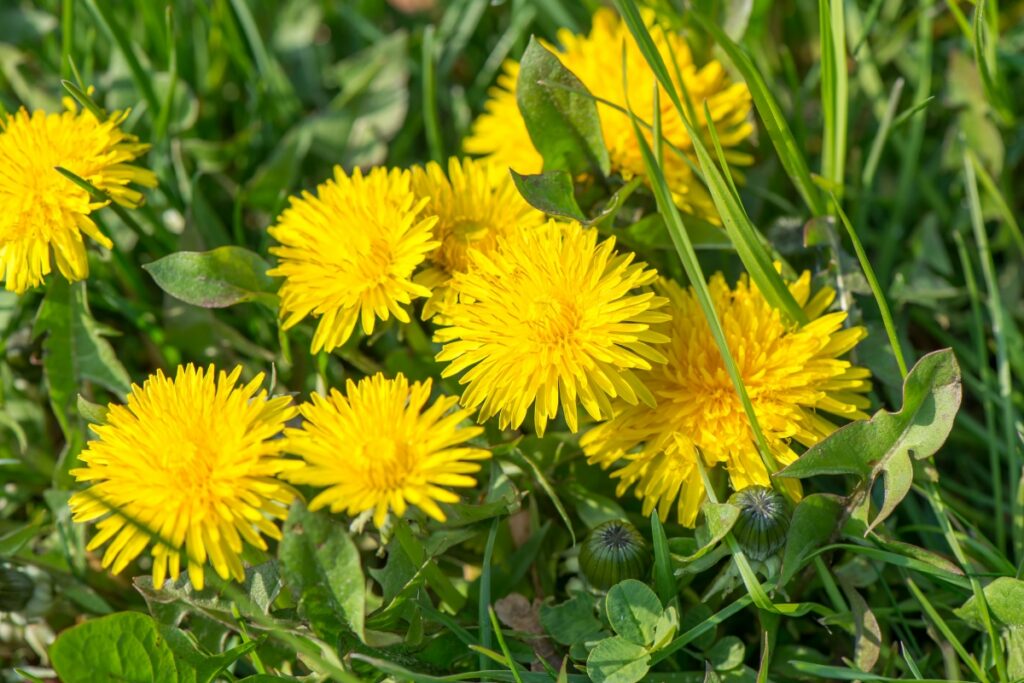

Every spring, dandelions appear in lawns, gardens, and roadsides across North America. For many homeowners, they’re something to pull, spray, or mow over before they spread.
Yet long before they became known as weeds, these familiar plants were valued as food and used in herbal practices. From the leaves to the roots, people have used different parts of the plant for centuries. We’re learning more about dandelions and the natural substances they contain, helping us better understand why this familiar plant has remained important in herbal traditions for so long.
Understanding the history of this common herb helps explain why it continues to be appreciated by herbalists and gardeners, even as it’s often removed from modern landscapes.
A Plant with a Long History
Before dandelions became a familiar sight in lawns, they were grown for practical purposes. Native to Europe and Asia, they were brought to North America by early settlers, who cultivated them as both a food source and a useful herb. Over time, they spread across much of the continent, thriving in fields, gardens, and open spaces.
Nearly every part of the plant was used. Young leaves were eaten fresh in salads or cooked like other leafy greens. The flowers found their way into recipes and beverages, while the roots were dried, roasted, or prepared for herbal use. Rich in vitamins, minerals, and other nutrients, dandelions became a familiar part of everyday cooking and herbal traditions.
Both historians and scientists recognize the dandelion as a plant with a long history of culinary and herbal use. While modern science continues to explore its properties, it also reminds us that many familiar plants have been valued far longer than we often realize.
What Research Says About Dandelions
For centuries, dandelions have been used in herbal traditions around the world. Today, scientific research is helping us better understand the natural substances found within the plant and how they may relate to many of its long-established uses. Published studies have identified compounds such as polyphenols, flavonoids, sesquiterpene lactones, and inulin, each contributing to what makes this familiar herb unique.
Traditional Support for Digestive Health
One of the best-known traditional uses of dandelion is supporting healthy digestion. Historical herbal references describe it as a bitter herb, often consumed before meals to help stimulate normal digestive processes.
Among the different parts of the plant, the root has received the greatest attention. It has long been prepared as teas, tinctures, and roasted beverages, particularly in Europe and North America.
The root contains inulin, a prebiotic fiber that nourishes beneficial bacteria in the gut, along with polyphenols and sesquiterpene lactones. Its bitter taste and distinctive composition have contributed to its long-standing use in Western herbalism.
The Nutritional Value of Dandelion Leaves
While the root often receives the most attention, the leaves have long been appreciated as one of spring’s earliest edible greens. Young dandelion leaves have been enjoyed for centuries, whether fresh in salads or cooked like other leafy greens.
They provide vitamins A, C, and K, along with minerals such as potassium and calcium. Their slightly bitter flavor also reflects the presence of naturally occurring plant substances, including polyphenols and flavonoids.
Together, these nutrients and plant compounds help explain why the leaves have long been valued as both a nutritious food and an herb.
The Antioxidants Found in Dandelions
Like many herbs, dandelions contain antioxidants, including flavonoids, phenolic acids, and other polyphenols. Found throughout the leaves, flowers, and roots, these compounds contribute to the plant’s natural chemical profile.
Scientists are interested in antioxidants because of the role they may play in protecting cells from oxidative stress. Although much is still being learned about how plant antioxidants support human health, their presence is one reason dandelions continue to draw scientific interest.
From Valued Herb to Common Weed
Dandelions were once intentionally gathered rather than removed. As neatly maintained lawns became more popular during the twentieth century, plants growing among the grass gradually came to be viewed as weeds. The lawn care industry responded by developing products designed to eliminate broadleaf plants like dandelions, reshaping public perception of a plant that had once been widely appreciated.
Many of these products rely on herbicides formulated to target broadleaf plants while leaving grass largely unaffected. Healthy soil depends on a diverse community of microorganisms that help support plant growth, making thoughtful lawn care practices an important part of maintaining a balanced landscape.
Looking more closely at the plants growing in our own yards offers a different perspective. Rather than focusing on how quickly they can be removed, we can ask where they came from, how people have used them over time, and what they may still have to teach us.
What This Means at The Fillingame Homestead
At The Fillingame Homestead, we believe learning about herbs starts with understanding the plants themselves. Some herbs are carefully cultivated in the garden, while others have been growing around us for centuries, quietly carrying a long history that many people have never had the opportunity to learn about.
Plants like dandelion remind us that nature is often more complex than it first appears. By learning where herbs come from, how people have used them for generations, and what we’re continuing to learn about them, we can make more informed choices about the plants we grow and the products we bring into our homes.
Discover more about the herbs, traditions, and natural living practices that inspire everything we do at The Fillingame Homestead. Visit our Shop or join The Fillingame Homestead Community for seasonal inspiration, educational resources, and practical tips for everyday life.
Disclaimer: This article is intended for educational purposes only and is not a substitute for professional medical advice, diagnosis, or treatment. If you have questions about your health or the use of herbs, please consult a qualified healthcare professional.
Responses